
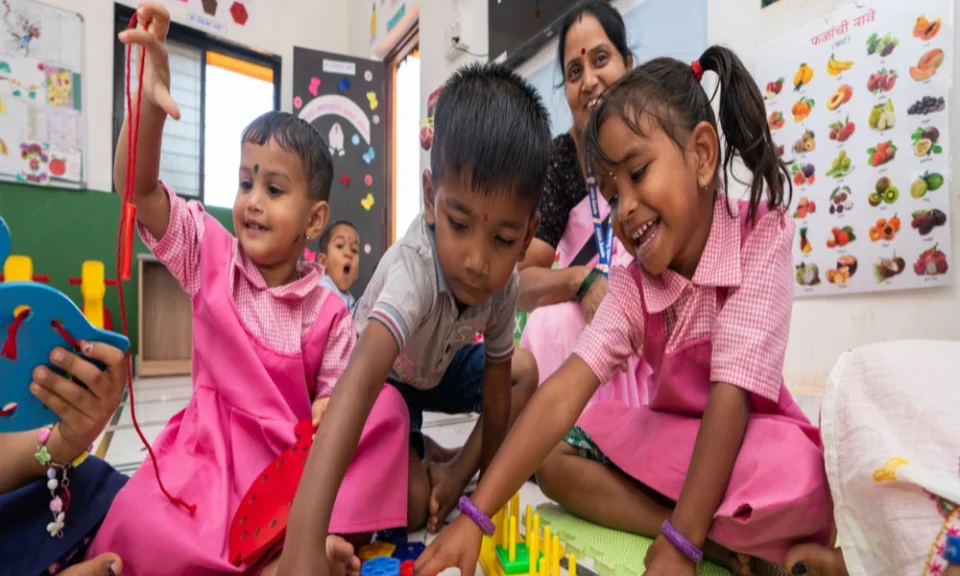
Young children build learning habits through everyday experiences. Early guidance shapes thinking, language, confidence, and emotional awareness. Skilled educators recognize these moments with careful attention. Their choices influence far more than classroom participation. Quality preparation develops teaching judgement through realistic situations. An early childhood education course introduces future educators to methods suited for children’s changing developmental needs.
How Do Programs Build Teaching Confidence?
Strong preparation begins with understanding children’s behavior. Each learning stage requires different teaching choices. Simple observation often reveals valuable learning opportunities. Educators gradually strengthen decision-making through guided classroom practice. Real situations improve confidence because experience sharpens professional judgement. As confidence grows, teaching becomes more responsive and purposeful.
Understanding Children Improves Daily Learning
Children respond differently during activities across every age group. Effective educators notice those differences before planning lessons. Small adjustments often produce meaningful classroom progress.
Key focus areas include:
- Match activities with developmental readiness.
- Encourage language through shared storytelling.
- Introduce creative sensory learning experiences.
- Observe emotional responses during participation.
- Celebrate achievable classroom success regularly.
These approaches create positive learning environments without unnecessary pressure. Children remain engaged because lessons reflect their developmental abilities.
Classroom Experience Shapes Strong Teaching
Educational knowledge becomes valuable through practical application. Teaching placements introduce authentic classroom situations each day. Future educators learn communication through direct interaction. They adjust activities whenever children’s responses change unexpectedly. Completing an early childhood education course strengthens professional ability through guided teaching practice instead of theory alone.
For example, building blocks encourage mathematical thinking through playful exploration. Story sessions strengthen listening while expanding vocabulary naturally. Creative art activities improve coordination alongside self-expression. Those experiences reveal individual learning preferences without formal testing.
Essential Skills Beyond Lesson Planning
Successful educators develop abilities extending beyond academic instruction. Positive relationships encourage participation throughout everyday classroom activities. Families appreciate open communication because shared understanding benefits children’s learning journey.
Important teaching strengths include:
- Clear communication with young learners.
- Positive classroom behavior guidance.
- Flexible activity planning.
- Family collaboration.
- Careful developmental observation.
Together, these qualities create welcoming spaces where children participate with greater confidence. Teachers respond thoughtfully because preparation strengthens professional awareness.
Why Schools Value Specialized Preparation
Schools seek educators prepared for real classroom situations. Qualifications matter, yet practical ability carries equal importance. Effective professionals recognize developmental differences before selecting learning activities. Sound judgement improves classroom experiences across varied learning styles. Children benefit because teaching reflects individual developmental readiness rather than identical expectations.
Strong Foundations Create Lifelong Learning
Early educational experiences influence future learning attitudes. Confident children often express ideas with greater clarity. Creative activities strengthen communication through meaningful participation. Purposeful teaching encourages independence across everyday classroom experiences. Those early achievements continue shaping educational success throughout later school years.
FAQs
What makes early childhood education programs effective?
Effective programs combine developmental knowledge with classroom practice. Future educators strengthen observation, communication, and teaching judgement through meaningful learning experiences.
Why does classroom practice matter?
Practical experience develops confidence during authentic teaching situations. Educators refine communication while adapting activities for different learning needs.
Can play improve learning outcomes?
Yes. Purposeful play strengthens creativity, language, cooperation, and thinking skills. Children learn naturally while remaining engaged throughout each activity.
Teaching Foundations Shape Future Success
Meaningful teaching begins with thoughtful observation rather than fixed classroom habits. Storytelling, building blocks, creative play, and family communication each contribute valuable learning opportunities. Educators prepared through balanced training recognize those moments before they disappear. Such awareness creates confident learners whose educational journey begins with strong foundations instead of uncertainty.
