
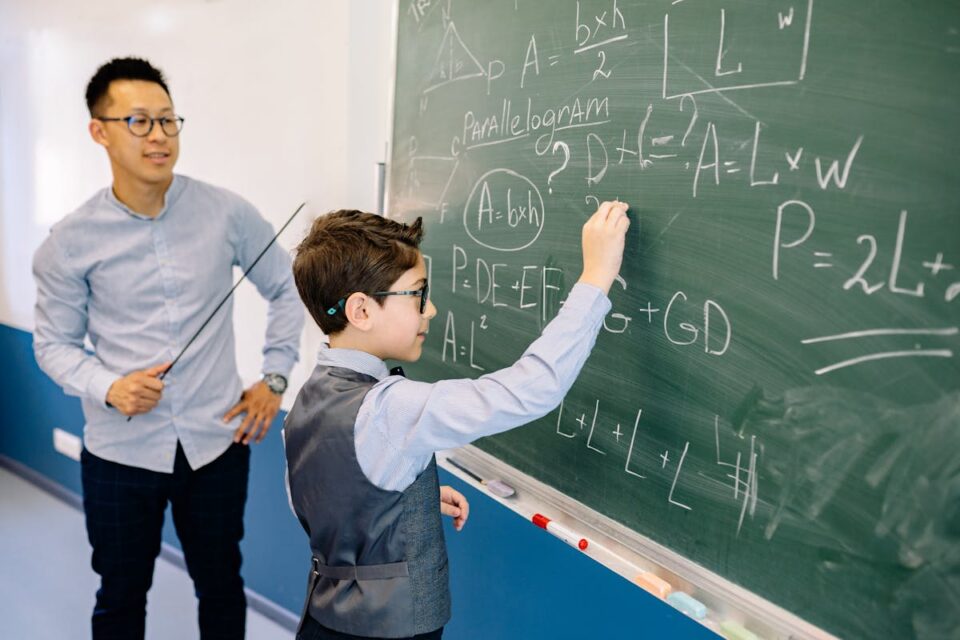
As parents, we often focus on academic success, but helping your child develop practical life skills is just as important. These everyday skills not only encourage independence but also build confidence and prepare children for real-world challenges. Whether at home or school, here are some key practical skills your child should be learning from an early age, inspired by the practices of this boy’s prep school in Surrey.
1. Basic Cooking and Food Preparation
Introducing your child to the kitchen is a great way to teach responsibility and healthy habits. Start with simple tasks like washing vegetables, spreading butter on toast, or helping to measure ingredients. As they grow, they can move on to learning how to use a kettle safely, cook pasta, or make a simple sandwich. Cooking builds patience, planning, and problem-solving—plus it’s a fun way to bond!
2. Cleaning and Household Chores
Children benefit from being given age-appropriate household responsibilities. Tidying their room, making their bed, or helping to put away shopping are simple tasks that reinforce routine and accountability. Older children can be involved in laundry, vacuuming, and basic home maintenance. These tasks help them understand the effort involved in running a household and instil a strong work ethic early on.
3. Time Management and Routines
Understanding how to manage time effectively is a crucial life skill. Encourage your child to use a clock or timer to manage their morning routine or homework schedule. Visual timetables or checklists can be helpful for younger children. Teaching your child how to break tasks into smaller steps, set goals, and stay organised lays the foundation for future academic and personal success.
4. Money Handling and Budgeting
It’s never too early to start teaching children about money. Start with basic ideas such as recognising coins, understanding the value of saving, and distinguishing between needs and wants. As they get older, introduce pocket money and give them opportunities to make spending decisions. This helps them learn financial responsibility and encourages mindful spending habits.
5. Basic First Aid and Safety Awareness
Even young children can learn simple first aid and safety rules. Teach them how to apply a plaster, recognise emergency situations, and know who to call for help. Discuss road safety, stranger danger, and online safety in an age-appropriate way. These conversations help children develop awareness and learn how to respond calmly in difficult situations.
6. Communication and Social Skills
Strong communication skills are vital for building relationships and navigating challenges. Teach your child how to listen actively, express their emotions appropriately, and resolve conflicts with kindness and respect. Role-playing different social situations can help build empathy and confidence, especially for children who are shy or struggle with peer interaction.
Equipping your child with practical skills helps prepare them for the world beyond the classroom. These everyday lessons—no matter how small—build resilience, independence, and confidence. By gradually introducing age-appropriate responsibilities, you’re giving your child the tools they need to thrive in life.
